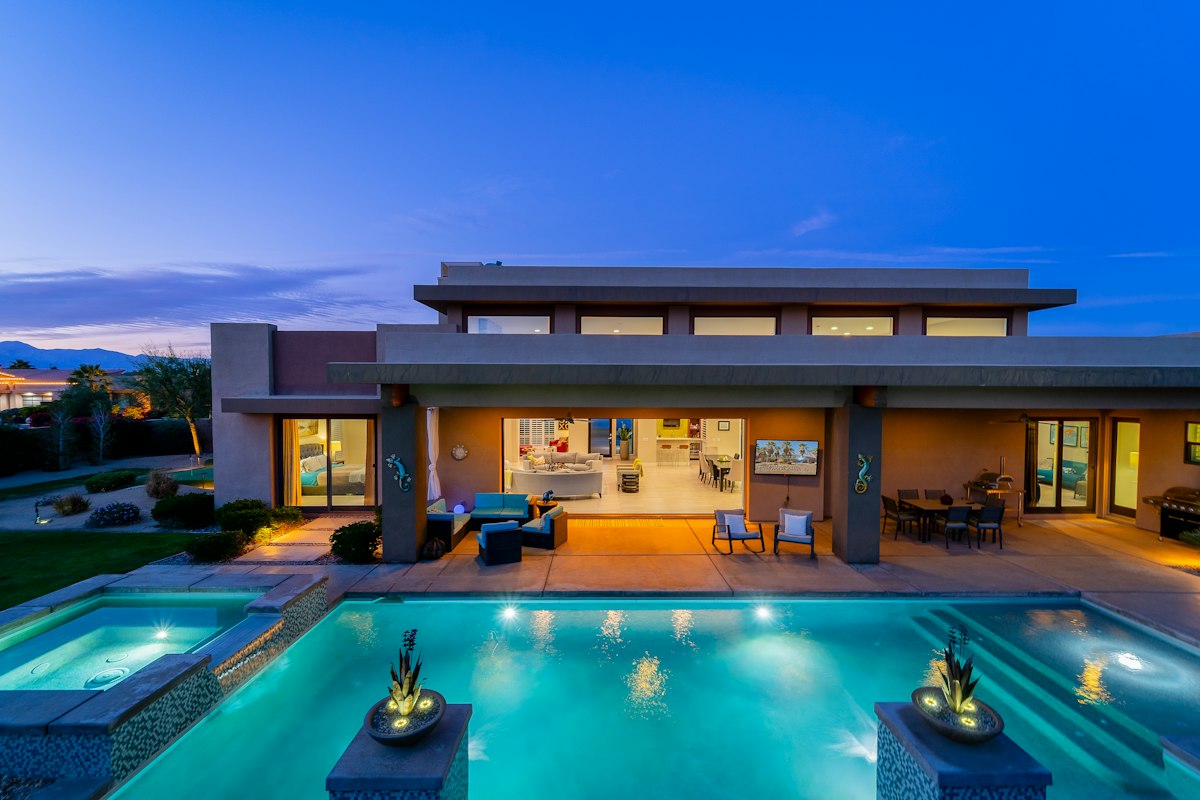
Investing in Excellence: What to Look for in Luxury Homes for Sale
Searching for a high-end residence is rarely about finding mere shelter. It is about identifying a space that mirrors your achievements and facilitates your specific lifestyle. When you browse luxury homes for sale, you are looking at more than square footage; you are evaluating craftsmanship, exclusivity, and the potential for long-term appreciation in a complex market. The modern buyer demands a seamless blend of architectural beauty and functional intelligence.
The high-end real estate market functions differently than the standard residential sector. Inventory is often limited, and many of the most desirable properties never reach a public listing site. Success in this arena requires a discerning eye for detail and an understanding of what constitutes true value in a world of premium finishes and high-tech amenities. You are not just buying a house; you are acquiring a legacy asset that should stand the test of time.
Related posts
Navigating the Market for New Property for Sale
The dream of owning a home is often accompanied by the exciting prospect of finding something perfectly suited...
Read more →
Buying an Apartment: Smart Moves for Today's Market
Buying a home is one of life's most significant financial and personal decisions. For many, the idea of...
Read more →
Navigating the Path to Homeownership: A Practical Approach
For many, the idea of owning a home represents more than just a place to live; it's a...
Read more →
Finding the Right Space: Your Strategic Approach to Commercial Property Leasing
Securing the ideal location for your business isn't just a decision; it's a strategic move that can shape...
Read more →As market dynamics shift, the definition of what makes a home "luxury" continues to evolve. While gold-plated fixtures were once the standard, today's elite buyers prioritize wellness, privacy, and sustainable innovation. This article explores the essential factors you must consider when evaluating luxury homes for sale, from the nuances of location to the hidden financial considerations that accompany a multi-million dollar transaction.
By the time you reach the end of this discussion, you will have a clear framework for identifying properties that offer both personal satisfaction and investment security. We will cover the specific amenities that drive resale value and the strategies used by seasoned investors to secure the best possible terms in the luxury space.
Key takeaways
- Location remains paramount, but the focus has shifted toward privacy, security, and proximity to exclusive lifestyle hubs rather than just a prestigious zip code.
- Architectural integrity and custom builds provide significantly better long-term value than cookie-cutter mansions with superficial upgrades.
- Wellness and smart technology are no longer optional extras; they are fundamental requirements for modern high-end living.
- The buying process for luxury properties often involves off-market deals and specialized due diligence that goes far beyond a standard home inspection.
Defining Modern Luxury in Today's Market
What exactly makes a property qualify for the luxury label? It is a combination of scarcity, location, and the quality of execution. A luxury home is characterized by its uniqueness. If the floor plan is identical to ten other houses on the street, it is a premium home, but perhaps not a luxury one. True luxury implies a level of customization and thought that cannot be mass-produced.
We are seeing a move toward "quiet luxury"—a trend where the focus is on the quality of materials rather than overt displays of wealth. Think of hand-applied plaster walls, wide-plank European oak flooring, and custom-integrated lighting systems that adjust based on the time of day. These details are subtle, but they create an atmosphere of refined comfort that is immediately palpable upon entering the home.
The Shift Toward Wellness Spaces
One of the most significant changes in luxury homes for sale is the integration of dedicated wellness suites. It is no longer enough to have a treadmill in the corner of a basement. Modern estates now feature infrared saunas, cold plunge pools, and dedicated meditation rooms with advanced air filtration systems. Buyers are looking for homes that actively contribute to their physical and mental well-being.
The Privacy Premium and Location Strategy
In the luxury sector, location is about more than just the view. It is about the "buffer zone" between you and the rest of the world. High-net-worth individuals are increasingly prioritizing properties that offer natural privacy—think mature landscaping, gated driveways, and strategic positioning on the lot to minimize sightlines from neighbors. This privacy premium is often what drives the highest price per square foot.
When evaluating luxury homes for sale, look at the surrounding area's development potential. Is the vacant lot next door protected, or could a new construction block your sunset view in three years? Understanding the local zoning laws and the long-term master plan of the neighborhood is essential for protecting your investment. A quiet cul-de-sac today could become a busy thoroughfare tomorrow if you aren't careful.
Micro-Neighborhoods and Exclusivity
Often, the most valuable luxury homes are tucked away in micro-neighborhoods—small pockets of 10 to 20 homes that share a specific aesthetic or history. These enclaves often hold their value better during market downturns because the supply is so strictly limited. Access to private clubs, private beaches, or equestrian trails can also add a layer of exclusivity that standard luxury developments lack.
Architectural Integrity vs. Superficial Glamour
It is easy to be distracted by a beautiful staging job or a trendy kitchen backsplash. However, the real value in luxury homes for sale lies in the "bones" of the building. Is the foundation reinforced? Are the windows triple-paned for acoustic insulation? Is the HVAC system a commercial-grade multi-zone setup that allows for precise climate control in every room?
Authentic architectural styles—whether it is a Mid-Century Modern masterpiece, a classic Mediterranean estate, or a cutting-edge contemporary glass house—tend to appreciate more consistently than homes that try to mix too many styles at once. High-quality materials like natural stone, copper guttering, and slate roofing not only look better but also reduce the long-term maintenance burden that can plague poorly built large-scale homes.
The Financial Reality of High-End Acquisitions
Buying a luxury home involves financial complexities that go beyond a simple mortgage application. Many buyers in this price bracket opt for cash transactions to increase their leverage, but for those using financing, jumbo loans are the standard. These loans come with stricter credit requirements and higher down payment expectations, often starting at 20% to 30% of the purchase price.
You must also account for the carrying costs. Property taxes on a multi-million dollar home can be substantial, and insurance premiums for high-value estates—especially those in areas prone to natural events—can be significant. It is wise to have an insurance specialist review the property before you remove your contingencies to ensure the structure is even insurable at a reasonable rate.
The Importance of Specialized Inspections
A standard home inspection is rarely sufficient for a luxury property. You may need to hire specialists to evaluate the pool and spa systems, the smart home automation hub, the elevator, and the wine cellar's climate control. If the home has extensive landscaping or a private well, those require separate professional assessments. Spending a few thousand dollars extra on specialized inspections can save you hundreds of thousands in unforeseen repairs later.
Finding Hidden Inventory
Why are so many luxury homes for sale not visible on the major real estate apps? Privacy is the main reason. High-profile sellers often prefer "pocket listings" or off-market sales to avoid having photos of their private residence circulated globally. To access this hidden inventory, you need a real estate advisor with deep roots in the local luxury community.
Networking is the currency of the high-end market. Often, a home is sold before it ever officially hits the market because an agent knew a specific buyer was looking for exactly that type of property. If you are only looking at what is publicly available, you are seeing only a fraction of the possibilities.
FAQ
What defines a luxury home in the current market?
While price is a factor, luxury is defined by exclusivity, high-end construction quality, and unique amenities. Generally, a home is considered luxury if it is in the top 10% of its local market and offers features not found in standard housing, such as custom architecture, advanced home automation, and premium materials.
Why are some luxury homes sold off-market?
Sellers of high-value properties often prioritize privacy and security. By keeping a listing off-market, they can vet potential buyers before allowing them into the home and prevent the general public from viewing their personal living spaces and high-value assets online.
How do I determine if a luxury home is priced fairly?
Valuing luxury real estate is an art. Since these homes are often unique, finding direct comparables is difficult. You should look at the cost of the land, the replacement cost of the construction and finishes, and recent sales of similar high-end properties within a wider geographic radius. A specialized appraisal is also highly recommended.
What are the most important amenities for resale value?
Currently, the features that provide the best return on investment include professional-grade chef's kitchens, expansive outdoor living areas with kitchens and fireplaces, integrated smart home security, and primary suites that feel like private spas. Sustainable features like solar arrays and EV charging stations are also becoming highly sought after.
Is it better to buy a new construction luxury home or an older estate?
New constructions offer the benefit of modern building codes, energy efficiency, and the latest technology. However, older estates often occupy the best lots in the most established neighborhoods and offer a level of character and craftsmanship that is difficult and expensive to replicate today. The choice depends on whether you value modern convenience or historical prestige.
Conclusion
Navigating the world of luxury homes for sale requires a balance of emotional connection and cold, hard logic. While it is easy to fall in love with a stunning view or a grand entryway, the most successful buyers are those who look deeper into the structural integrity, the privacy of the location, and the long-term financial implications of the purchase. Luxury is not just about spending more; it is about getting more in terms of quality, lifestyle, and security.
As you move forward with your search, remember that the best properties are often found through specialized networks and require a higher level of due diligence. By focusing on timeless design, wellness-oriented amenities, and sound financial planning, you can find a residence that serves as both a sanctuary and a significant addition to your investment portfolio. Start by defining your non-negotiables and partnering with professionals who understand the unique nuances of the high-end market.