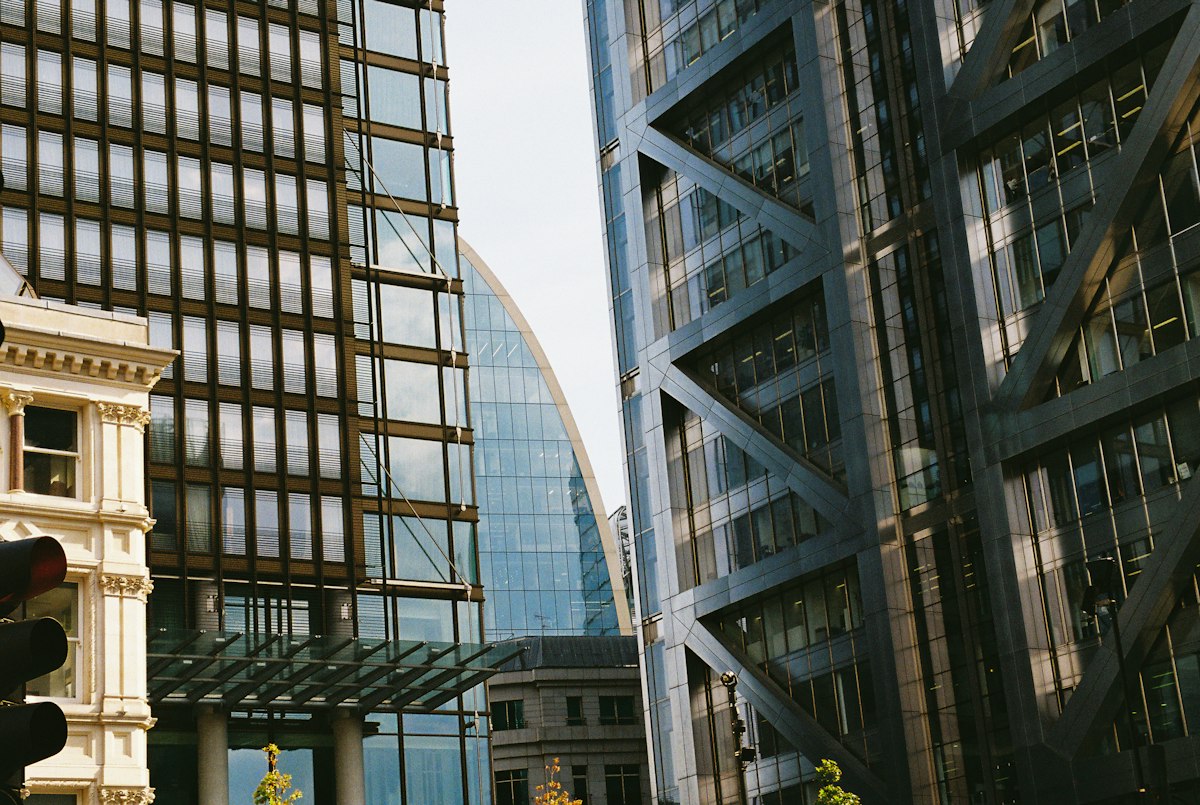
Strategic Approaches to Investing in Commercial Buildings for Sale
Stepping into the world of commercial real estate is a significant transition from the residential market. When you look at commercial buildings for sale, you are no longer just evaluating square footage and aesthetics; you are assessing a business vehicle designed to produce a specific yield. The complexity increases as you move from single-family homes to assets that house retail outlets, industrial warehouses, or multi-tenant office spaces. This shift requires a different mindset centered on cash flow, risk mitigation, and long-term market trends.
Finding the right property involves more than just browsing listings. It requires a deep understanding of local economic drivers, zoning laws, and the specific needs of potential tenants. Whether you are looking to diversify a portfolio or establish a headquarters for your own business, the stakes are high. Miscalculating the operating expenses or overestimating the market rent can turn a promising asset into a financial drain. This discussion focuses on the practical realities of identifying, evaluating, and acquiring commercial properties that align with your financial goals.
Related posts

Investing in Excellence: What to Look for in Luxury Homes for Sale
Searching for a high-end residence is rarely about finding mere shelter. It is about identifying a space that...
Read more →Navigating the Market for New Property for Sale
The dream of owning a home is often accompanied by the exciting prospect of finding something perfectly suited...
Read more →
Buying an Apartment: Smart Moves for Today's Market
Buying a home is one of life's most significant financial and personal decisions. For many, the idea of...
Read more →
Navigating the Path to Homeownership: A Practical Approach
For many, the idea of owning a home represents more than just a place to live; it's a...
Read more →We will cover the primary asset classes you will encounter, the financial metrics that actually matter to lenders, and the rigorous due diligence process that protects your capital. By the end of this analysis, you will have a clearer picture of how to filter through the noise of the market to find buildings that offer genuine value. Success in this arena is reserved for those who prioritize data over emotion and preparation over impulse.
Key takeaways
- Cash Flow is King: The value of a commercial building is primarily derived from its Net Operating Income (NOI), not just comparable sales.
- Zoning and Usage: Always verify that the property’s current zoning matches your intended use or the needs of high-quality future tenants.
- Due Diligence is Non-Negotiable: Environmental assessments, structural inspections, and lease audits are the only ways to uncover hidden liabilities.
- Financing Complexity: Commercial loans typically require higher down payments and have different structures than residential mortgages, often featuring balloon payments.
Identifying the Right Asset Class
Not all commercial buildings for sale are created equal. The market is generally divided into four main categories: office, retail, industrial, and multi-family. Each carries a unique risk profile and management requirement. Office spaces are currently undergoing a transformation as remote work changes how companies use physical space. Investors are now looking for high-amenity "Class A" buildings or creative spaces that offer something a home office cannot.
Retail properties range from small strip malls to large shopping centers. Here, the strength of the anchor tenant is everything. If a major grocery store or national brand occupies the cornerstone of the property, the risk of vacancy for the smaller units decreases significantly. Conversely, industrial properties—such as warehouses and distribution centers—have seen a surge in demand due to the growth of e-commerce. These are often preferred by investors who want lower maintenance responsibilities, as industrial tenants typically handle more of the property's upkeep.
Multi-family buildings with five or more units are also classified as commercial. These are often seen as a hedge against economic downturns because people always need a place to live. While they require more intensive management than a warehouse, they offer a diversified income stream; one vacancy doesn't mean your entire revenue disappears. Deciding which class to pursue depends on your risk tolerance and how much "boots on the ground" management you are willing to provide.
The Math Behind the Purchase
How do you know if the asking price for a building is fair? You use the Capitalization Rate, or Cap Rate. This is calculated by taking the Net Operating Income (the income left after all operating expenses are paid but before mortgage payments) and dividing it by the purchase price. A lower cap rate usually indicates a lower-risk property in a prime location, while a higher cap rate suggests more risk but higher potential returns. Why does this matter? Because it allows you to compare different buildings on an apples-to-apples basis regardless of their size.
Beyond the cap rate, look closely at the Cash-on-Cash Return. This measures the annual pre-tax cash flow relative to the amount of actual cash you invested. It is a more practical metric for investors who are financing their purchase. If a building requires a 30% down payment and significant immediate repairs, your cash-on-cash return might be lower in the first few years, even if the cap rate looks attractive on paper. Do not ignore the Debt Service Coverage Ratio (DSCR), as lenders use this to determine if the property generates enough income to cover the loan payments. Most lenders look for a DSCR of 1.25 or higher.
Understanding Lease Structures
The value of a commercial building is inextricably linked to its leases. A Triple Net (NNN) lease is the gold standard for many investors. In this arrangement, the tenant pays for property taxes, insurance, and maintenance in addition to the base rent. This provides the owner with a predictable, hands-off income stream. On the other end of the spectrum is the Gross Lease, where the landlord covers all operating expenses. If utility costs or property taxes spike, the landlord’s profit margin shrinks. When reviewing commercial buildings for sale, always audit the existing leases to see who is responsible for what.
The Rigor of Due Diligence
Once you find a property and get an offer accepted, the real work begins. Due diligence in commercial real estate is an exhaustive process that can take 60 to 90 days. You are looking for deal-breakers that aren't visible during a walkthrough. This starts with a Phase I Environmental Site Assessment. This report investigates the historical use of the land to ensure there is no soil or groundwater contamination. If a dry cleaner or gas station once sat on the site, you could be liable for millions in cleanup costs.
Physical inspections are equally vital. Commercial HVAC systems, roofing, and parking lot surfaces are incredibly expensive to replace. A roof on a 20,000-square-foot warehouse can cost six figures. You need a specialized commercial inspector who understands steel frames, fire suppression systems, and ADA compliance. If the building isn't up to modern codes, you might be forced to make expensive upgrades the moment you take ownership or try to pull a permit for a new tenant.
Financial and Legal Verification
Never take the seller's pro forma at face value. You must verify the last three years of profit and loss statements, tax returns, and actual utility bills. Cross-reference the rent roll with the physical lease documents. Are there tenants who are behind on rent? Are there clauses that allow a tenant to break their lease if a major neighbor leaves? You also need a title search to ensure there are no hidden liens or easements that could restrict how you use the property. This is the stage where you find the leverage to renegotiate the price or walk away entirely.
Financing and Closing the Deal
Securing a loan for a commercial building is a different beast than a residential mortgage. Lenders focus more on the property’s income-generating potential than your personal credit score, though both matter. Expect to put down 20% to 35% of the purchase price. Interest rates are generally higher, and terms are shorter—often 5, 7, or 10 years—with the remaining balance due as a balloon payment at the end. This means you will likely need to refinance or sell the property before that term expires.
Closing costs are also significantly higher. Between appraisals (which can cost several thousand dollars), legal fees, environmental reports, and loan origination fees, you should budget for an additional 2% to 5% of the purchase price in closing costs. It is a heavy upfront lift, but the goal is to secure an asset that pays for itself over time while building equity and offering significant tax advantages through depreciation.
FAQ
What is a good cap rate for a commercial property?
A "good" cap rate is subjective and depends on the market and asset type. In high-demand urban centers, cap rates might be as low as 4% or 5% because the risk is perceived to be lower. In smaller markets or for riskier properties, you might see cap rates of 8% to 10%. The key is to compare the cap rate to similar properties in the same immediate area.
How much is the typical down payment for commercial buildings?
Most commercial lenders require a down payment between 20% and 35%. Unlike residential loans, there are very few low-down-payment options unless you are using an SBA (Small Business Administration) loan for a property your own business will occupy. In those cases, you might be able to put down as little as 10%.
What is the difference between Class A, B, and C buildings?
Class A represents the newest, highest-quality buildings with top-tier amenities and the best locations. Class B properties are a bit older but well-maintained and offer a middle-ground for rent. Class C buildings are typically more than 20 years old, located in less desirable areas, and often need significant renovation but offer the highest potential for value-add returns.
How long does it take to close on a commercial building?
On average, a commercial real estate transaction takes between 60 and 120 days. This timeline is driven by the complexity of the due diligence process, the time required for a commercial appraisal, and the intensive underwriting process performed by the lender.
Conclusion
Investing in commercial buildings for sale is a sophisticated way to build wealth, but it requires a disciplined, analytical approach. Success isn't found in the aesthetics of the lobby, but in the strength of the leases and the reliability of the Net Operating Income. By focusing on thorough due diligence, understanding the specific needs of your target asset class, and running the numbers with a conservative lens, you can navigate this market with confidence. Remember that every commercial purchase is a business partnership between you, your tenants, and the local economy; make sure you choose your partners wisely.