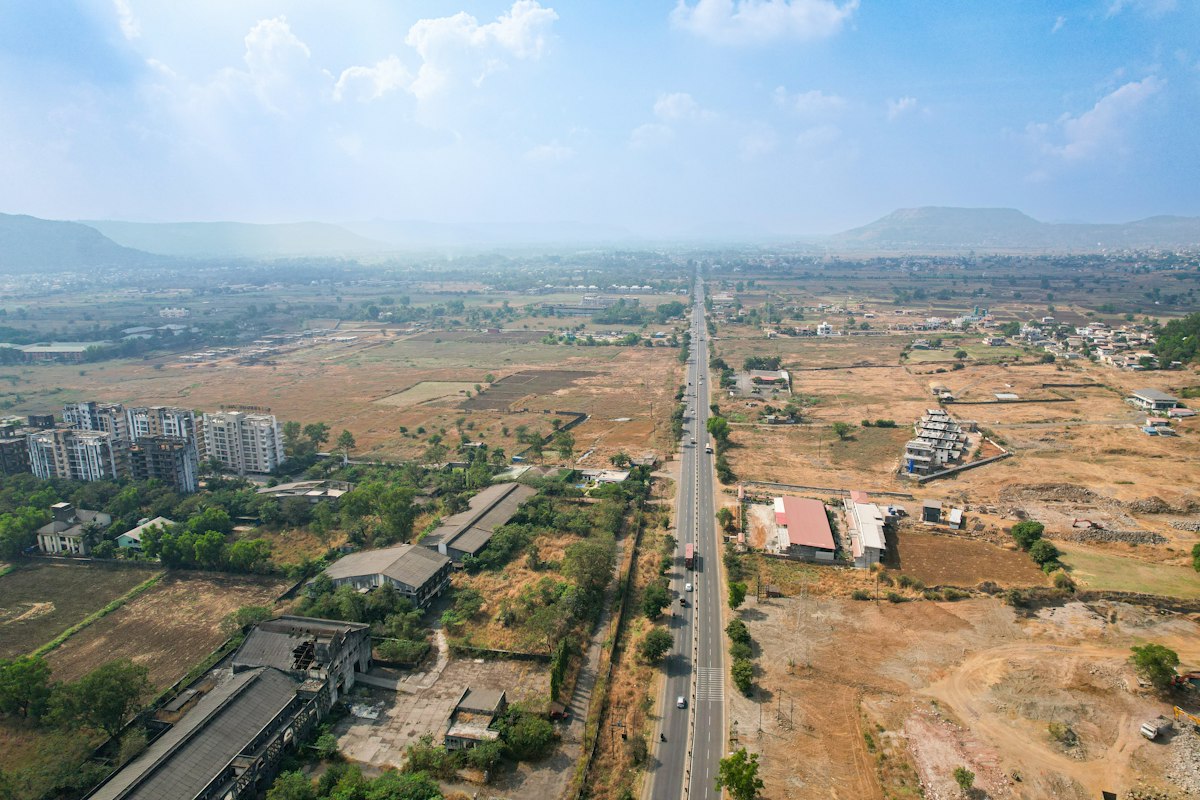
Investing in Commercial Land: Strategic Decisions for Growth
The decision to acquire commercial land is often a pivotal moment for any business or investor. It’s more than just buying a parcel; it's securing a strategic asset that can define future growth, operational efficiency, and long-term value. Whether you’re planning a new retail center, an office park, an industrial facility, or a mixed-use development, undeveloped land offers a unique canvas for your vision.
However, this opportunity comes with its own set of complexities. Unlike purchasing an existing building, buying commercial land requires a deeper dive into factors that extend far beyond the asking price. You're not just evaluating what's there, but what could be there, and what regulations, infrastructure, and environmental considerations might shape that future.
Related posts

Investing in Excellence: What to Look for in Luxury Homes for Sale
Searching for a high-end residence is rarely about finding mere shelter. It is about identifying a space that...
Read more →Navigating the Market for New Property for Sale
The dream of owning a home is often accompanied by the exciting prospect of finding something perfectly suited...
Read more →
Buying an Apartment: Smart Moves for Today's Market
Buying a home is one of life's most significant financial and personal decisions. For many, the idea of...
Read more →
Navigating the Path to Homeownership: A Practical Approach
For many, the idea of owning a home represents more than just a place to live; it's a...
Read more →Understanding these intricacies is paramount. A well-chosen piece of commercial land can become the bedrock of a thriving enterprise, while a misstep can lead to costly delays, unexpected expenses, or even render a project unfeasible. This article will walk you through the essential considerations, helping you approach the market for commercial land with confidence and clarity.
We’ll explore everything from understanding vital zoning regulations and conducting thorough due diligence to navigating financing options and assessing a site's true development potential. Our goal is to equip you with the insights needed to make a truly informed and strategic acquisition.
Key takeaways
- Due diligence is non-negotiable: Thoroughly investigate zoning, environmental factors, and utility access before committing.
- Location dictates potential: Assess proximity to target markets, infrastructure, and workforce for long-term viability.
- Understand all costs: Factor in not just the purchase price, but also development fees, utility hookups, and holding costs.
- Leverage expert advice: Engage commercial real estate brokers, attorneys, and environmental consultants early in the process.
Understanding Commercial Land Opportunities
Commercial land represents a distinct asset class, offering unique advantages for businesses and investors alike. Its primary appeal lies in the flexibility and potential for tailored development. You have the opportunity to design a facility that perfectly meets your operational requirements, brand aesthetics, or investment strategy from the ground up.
What Defines Commercial Land?
At its core, commercial land is property zoned for business-related activities. This classification dictates what types of structures can be built and what operations can be conducted. Common commercial uses include retail stores, office buildings, restaurants, hotels, medical facilities, and various service-oriented businesses. The specific zoning designation, set by local municipalities, is the single most important factor determining a property's permitted use and future value.
Strategic Advantages of Land Acquisition
Acquiring commercial land is often a strategic move for expansion or diversification. It allows companies to establish a presence in new markets, consolidate operations, or create purpose-built facilities that enhance efficiency. Investors often see commercial land as a long-term play, capitalizing on potential appreciation as surrounding areas develop and demand for commercial space grows. It's about securing a foothold in a locale poised for economic activity.
Critical Factors in Your Commercial Land Search
Finding the right piece of commercial land is a meticulous process. It involves a deep dive into various practical and regulatory aspects, each capable of significantly impacting a project’s success and cost.
Location: Beyond the Address
The adage "location, location, location" holds immense weight for commercial land. It’s not just about a desirable address; it's about proximity to your target customers, access to a skilled workforce, and seamless connectivity to major transportation routes. Consider traffic counts for retail, visibility for branding, and logistics for industrial operations. What kind of growth is the surrounding area experiencing? Are there planned infrastructure improvements that could enhance or detract from the site's value?
Zoning and Land Use Regulations: Your First Hurdle
Before you even consider making an offer, understanding the specific zoning of a parcel is absolutely critical. Zoning ordinances dictate everything from the type of business allowed to building height restrictions, setback requirements, parking ratios, and even exterior design elements. A property might be zoned for general commercial (C-1), retail (C-2), office (O-1), or light industrial (M-1). Each has distinct implications. Can your intended use be accommodated? Consulting with local planning departments and experienced land use attorneys is highly recommended.
Environmental Assessments and Due Diligence
Neglecting environmental due diligence can lead to catastrophic financial and legal consequences. A Phase I Environmental Site Assessment (ESA) is standard practice, identifying potential contamination from current or historical uses, such as underground storage tanks or hazardous material spills. Depending on the Phase I findings, a more intensive Phase II ESA might be required, involving soil and groundwater testing. Understanding soil stability, wetlands, and flood plains is also essential, as these can significantly impact development costs and timelines.
Infrastructure and Utilities: The Hidden Costs
A seemingly perfect parcel can quickly become cost-prohibitive if it lacks essential infrastructure. Does the property have access to public water, sewer, electricity, natural gas, and high-speed internet? Extending these utilities can be incredibly expensive, sometimes costing hundreds of thousands or even millions of dollars, depending on the distance from existing lines. Always verify the availability and capacity of these services with utility providers early in your evaluation process. Don't assume anything.
Access, Visibility, and Site Conditions
For many commercial ventures, visibility from major roads and easy access for customers and deliveries are paramount. Evaluate road frontage, potential ingress and egress points, and the ease of traffic flow. The physical characteristics of the land also play a significant role. Steep slopes, rock outcroppings, poor drainage, or unstable soil conditions can necessitate extensive grading, excavation, or specialized foundation work, increasing development costs.
Financing Your Commercial Land Acquisition
Securing financing for raw commercial land can be different from financing an existing building. Lenders often view undeveloped land as a higher risk due to the absence of immediate cash flow and the speculative nature of future development.
Loan Types and Requirements
While conventional banks offer commercial real estate loans, financing for raw land often comes with stricter terms, higher interest rates, and lower loan-to-value (LTV) ratios, requiring a larger down payment. SBA loans (Small Business Administration) can sometimes be an option if the land purchase is part of a larger owner-occupied development project. For more specialized or higher-risk projects, private lenders or hard money loans might be available, though these typically come with even higher costs.
Understanding Costs Beyond the Purchase Price
The sticker price of the land is only one component of the total investment. You must budget for numerous other expenses:
- Closing Costs: Title insurance, legal fees, appraisal fees, environmental report costs, surveys, recording fees.
- Development Fees: Impact fees, permit fees, utility connection fees imposed by local governments.
- Holding Costs: Property taxes, insurance, and potential interest payments on a loan during the development phase.
The Acquisition Process: What to Expect
The journey from identifying a potential site to closing the deal involves several structured steps, each requiring careful attention.
Identifying Opportunities
Start by clearly defining your needs: desired location, size, zoning requirements, and budget. Engage with experienced commercial real estate brokers who specialize in land sales in your target area. They have access to listings, market data, and often know about off-market opportunities. Online commercial listing platforms are also a valuable resource.
Making an Offer and Negotiation
Once you find a suitable parcel, your offer will typically include a proposed purchase price, a due diligence period, and various contingencies (e.g., subject to zoning approval, satisfactory environmental reports, financing). Negotiation is common, so be prepared to go back and forth on price and terms. An earnest money deposit is usually required to show your commitment.
Due Diligence Period
This is arguably the most critical phase. During this period, you conduct all necessary investigations: environmental assessments, surveys, soil tests, utility checks, and legal reviews of title and easements. This is your opportunity to uncover any red flags before the purchase becomes binding. If significant issues arise, you typically have the right to renegotiate terms or withdraw your offer.
Closing the Deal
Assuming all contingencies are met and due diligence is satisfactory, the closing process involves transferring ownership and funds. Your attorney and title company will prepare all necessary documents. This is when all remaining purchase funds, closing costs, and fees are paid, and the deed to the commercial land is officially transferred to you.
FAQ
What's the difference between commercial and industrial land?
While both are business-oriented, commercial land is typically zoned for retail, office, hospitality, or service-based businesses that involve direct customer interaction or administrative functions. Industrial land, conversely, is zoned for manufacturing, warehousing, logistics, research and development, or heavy equipment operations, often with less emphasis on customer-facing aspects and more on infrastructure for production or storage.
How important is zoning when buying commercial land?
Zoning is paramount. It dictates the specific types of businesses and structures permitted on the land, as well as development parameters like building height, setbacks, and parking requirements. Buying land without verifying its zoning for your intended use can lead to significant delays, costly rezonings, or even render your project impossible. Always confirm zoning with the local planning department.
What are common environmental concerns with commercial land?
Common environmental concerns include soil or groundwater contamination from previous industrial uses, underground storage tanks (USTs), hazardous waste disposal, the presence of wetlands, and flood plain designations. A Phase I Environmental Site Assessment (ESA) helps identify these potential issues, which can incur substantial remediation costs or restrict development.
Can I develop commercial land if it doesn't have utilities?
Yes, but it will almost certainly be more expensive and time-consuming. Extending water, sewer, electricity, and gas lines to an undeveloped parcel can involve significant engineering, permitting, and construction costs, often requiring coordination with multiple utility providers and local government agencies. Always get firm quotes and timelines for utility extensions before purchasing land that lacks them.
What are typical closing costs for commercial land?
Typical closing costs for commercial land can range from 2% to 5% of the purchase price, but this can vary widely. These costs usually include title insurance, escrow fees, legal fees, appraisal fees, environmental report fees, land surveys, recording fees, and potentially prorated property taxes. It's essential to get a detailed breakdown from your attorney or title company well in advance of closing.
Conclusion
Acquiring commercial land is a significant undertaking that demands careful planning, diligent research, and a clear understanding of market dynamics and regulatory frameworks. It's an investment in potential, offering the opportunity to shape a space that perfectly aligns with your business objectives or development vision. By meticulously evaluating location, zoning, environmental factors, and infrastructure, and by factoring in all associated costs, you can mitigate risks and position yourself for a successful and valuable acquisition. Remember, informed decisions today pave the way for sustainable growth tomorrow.