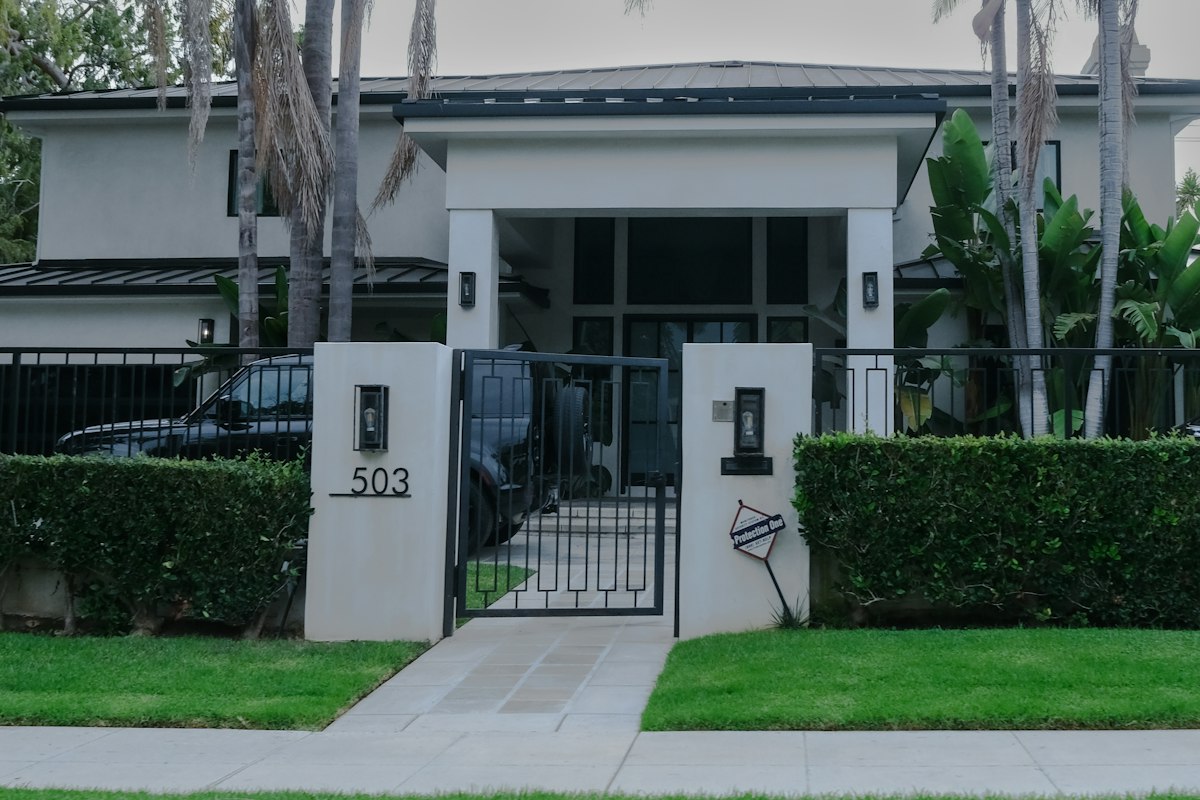
Smart Acquisition Strategies: Finding and Securing Real Estate for Sale
Finding the right property is rarely a matter of luck. It is a calculated process that involves understanding market cycles, identifying value where others see a project, and moving with speed when the right opportunity appears. Whether you are searching for a primary residence or an investment property, the current market demands a high level of preparation before you even start looking at listings.
The search for real estate for sale often begins with excitement but can quickly turn into a source of stress if you lack a clear framework. Most buyers spend hours scrolling through digital platforms without a defined strategy for filtering what truly matters. This article explains the mechanics of the property market and provides a roadmap for identifying assets that align with your long-term financial goals.
Related posts

Investing in Excellence: What to Look for in Luxury Homes for Sale
Searching for a high-end residence is rarely about finding mere shelter. It is about identifying a space that...
Read more →Navigating the Market for New Property for Sale
The dream of owning a home is often accompanied by the exciting prospect of finding something perfectly suited...
Read more →
Buying an Apartment: Smart Moves for Today's Market
Buying a home is one of life's most significant financial and personal decisions. For many, the idea of...
Read more →
Navigating the Path to Homeownership: A Practical Approach
For many, the idea of owning a home represents more than just a place to live; it's a...
Read more →We will cover the nuances of different property types, the financial requirements that determine your purchasing power, and the specific steps needed to transition from a viewer to an owner. You will learn how to evaluate neighborhoods, understand the hidden costs of acquisition, and manage the negotiation process to ensure you do not overpay in a competitive environment.
Success in real estate requires a blend of analytical thinking and local knowledge. By the end of this discussion, you will have a clearer understanding of how to approach the market with confidence, ensuring that your next purchase is an asset rather than a liability.
Key takeaways
- Financial Readiness: Secure a firm mortgage pre-approval or proof of funds before beginning your search to stay competitive.
- Location Analysis: Prioritize long-term neighborhood growth and infrastructure developments over the current aesthetic of a property.
- Due Diligence: Never skip professional inspections or title searches, as these protect you from unforeseen structural or legal issues.
- Negotiation Strategy: Understand the seller's motivation to craft an offer that balances price with favorable terms and contingencies.
Decoding the Current Real Estate Market
The availability of real estate for sale fluctuates based on broader economic indicators such as interest rates, employment data, and local inventory levels. When interest rates are low, buyer demand typically surges, leading to a seller’s market where bidding wars are common. Conversely, higher rates can cool demand, giving buyers more leverage to negotiate prices and terms.
Understanding these cycles is essential for timing your entry. A common mistake is waiting for the "perfect" moment that may never arrive. Instead, savvy buyers focus on their personal financial stability and the specific micro-market of the area they are targeting. Real estate is inherently local; while national news might suggest a downturn, a specific neighborhood could still be experiencing rapid appreciation due to new commercial developments or school district improvements.
Defining Your Search Parameters
Before you look at a single house or condo, you must define your non-negotiables. Are you looking for a single-family home with expansion potential, or a low-maintenance townhouse? The type of real estate for sale you pursue will dictate your ongoing costs, including property taxes, insurance, and maintenance fees.
Location and Neighborhood Dynamics
You can change the interior of a house, but you cannot change its location. When evaluating property, look beyond the four walls. Consider the proximity to transit hubs, grocery stores, and parks. More importantly, research the zoning laws in the area. Is that vacant lot across the street slated for a park or a multi-story warehouse? These factors significantly impact your quality of life and the future resale value of the property.
Property Condition and Potential
Real estate for sale falls into various categories of condition, from turnkey homes to complete gut renovations. Turnkey properties command a premium because they are move-in ready. Fixer-uppers offer a lower entry price but require a significant liquid budget for repairs. You must be honest about your capacity to manage a renovation. If you lack the time or expertise, paying more for a finished home is often the more economical choice in the long run.
The Financial Framework of Property Acquisition
The price tag on a listing is only one part of the financial equation. To successfully acquire real estate for sale, you must account for the down payment, closing costs, and immediate post-purchase expenses. Closing costs typically range from 2% to 5% of the purchase price and include things like loan origination fees, title insurance, and government recording fees.
Mortgage options vary widely. Conventional loans often require higher credit scores but offer competitive rates. Government-backed loans, such as FHA or VA loans, might allow for lower down payments but come with specific property condition requirements and insurance premiums. Speaking with a mortgage professional early in the process allows you to understand which product fits your profile and exactly how much house you can afford without overextending your monthly budget.
The Importance of Professional Due Diligence
Once you find a property and your offer is accepted, the due diligence period begins. This is perhaps the most significant phase of the transaction. You are not just buying a building; you are inheriting its history. A professional home inspection is non-negotiable. An inspector will check the foundation, roof, electrical systems, and plumbing to identify any red flags that could cost thousands to repair.
In addition to physical inspections, a title search ensures that the seller has the legal right to sell the property and that there are no outstanding liens or encumbrances. If a property has an undisclosed tax lien or a boundary dispute with a neighbor, you want to know before you sign the final papers. These steps provide the protection necessary to move forward or the evidence needed to renegotiate the price if major issues are discovered.
Mastering the Negotiation Process
Negotiation is an art that requires a balance of firmness and flexibility. When you find real estate for sale that meets your criteria, your offer should be backed by comparable sales data from the last three to six months. This data proves to the seller that your price is based on market reality rather than a random number.
However, price is not the only lever you can pull. Sometimes, a faster closing date or a larger earnest money deposit can make your offer more attractive than a slightly higher bid with more contingencies. Understanding what the seller needs—whether it is a quick exit or extra time to find their next home—can give you the edge in a competitive situation. Always keep your emotions in check; being willing to walk away from a deal that doesn't make sense is your strongest negotiation tool.
Frequently Asked Questions
What is the first step I should take when looking for real estate for sale?
The absolute first step is getting a mortgage pre-approval. This process involves a lender reviewing your financial documents to determine how much they are willing to lend you. Without a pre-approval letter, most sellers will not even consider your offer, especially in a competitive market where multiple buyers are vying for the same property.
How much should I realistically save for a down payment?
While the traditional recommendation is 20% to avoid private mortgage insurance (PMI), many buyers successfully purchase real estate with as little as 3% to 3.5% down through specific loan programs. However, keep in mind that a smaller down payment results in higher monthly payments and more interest paid over the life of the loan. You should also maintain an emergency fund separate from your down payment.
What are common hidden costs when buying a home?
Beyond the purchase price, you must budget for property taxes, homeowners insurance, and maintenance. Many first-time buyers overlook the cost of immediate repairs, utility deposits, and moving expenses. If the property is part of a Homeowners Association (HOA), you must also factor in monthly or annual dues which can increase over time.
How long does the typical real estate transaction take?
From the moment an offer is accepted to the day you receive the keys, the process usually takes between 30 and 45 days. This window allows for the home inspection, appraisal, and final mortgage underwriting. Cash transactions can happen much faster, sometimes in as little as 7 to 10 days, because they bypass the lengthy bank approval process.
Why do some real estate sales fall through at the last minute?
Sales most commonly fail due to financing issues, such as a buyer's credit score changing or a low appraisal where the bank refuses to lend the full amount. Other reasons include major defects discovered during the inspection that the seller refuses to fix, or issues with the property title that cannot be resolved quickly. Staying in close contact with your lender and agent helps mitigate these risks.
Conclusion
Navigating the world of real estate for sale requires patience, a sharp eye for detail, and a solid financial foundation. By focusing on market data rather than emotion, you can identify properties that offer both immediate utility and long-term growth. Remember that the best deal is not always the cheapest one, but the one that aligns with your lifestyle and investment objectives while standing up to rigorous due diligence.
As you move forward, surround yourself with a team of professionals—including an experienced agent, a thorough inspector, and a responsive lender. Their expertise will help you avoid common pitfalls and ensure that your transition into property ownership is as smooth as possible. Start your search with a clear mind and a firm budget, and you will be well-positioned to secure a property that serves you for years to come.